Having heard all that perfectly, Bharata approached the foot of Ingudi Tree along with his ministers and gazed on that grass-bed on which Rama had slept. Thereafter, he said to all his mothers as follows: "It is here that the magnanimous hero laid himself for that night, his limbs pressing the earth."
भरत ने मंत्रियों के साथ सब सुनकर, इन्गुदी वृक्ष की जड़ के पास जाकर राम की शय्या देखी। उन्होंने वहाँ उपस्थित सभी माताओं से कहा कि उस महात्मा ने रात में भूमि पर शयन किया और यह उनका बिछौना है।
Ayodhya Kanda – Sarga 88 · v2
महा भाग कुलीनेन महा भागेन धीमता |
जातो दशरथेन ऊर्व्याम् न रामः स्वप्तुम् अर्हति || २-८८-३
"Born of the great and segacious Dasaratha in an illustrious family, Rama verily does not desrve to sleep on this bare earth!"
यहाँ संस्कृत श्लोक का सरल हिंदी अनुवाद दिया गया है: महान भाग्यशाली, कुलीन और बुद्धिमान राजा दशरथ के पुत्र राम, पृथ्वी पर सोने के योग्य नहीं हैं। वे इतने महान हैं कि उन्हें सामान्य नींद से ऊपर माना जाना चाहिए।
Ayodhya Kanda – Sarga 88 · v3
अजिन उत्तर संस्तीर्णे वर आस्तरण संचये |
शयित्वा पुरुष व्याघ्रः कथम् शेते मही तले || २-८८-४
"How could Rama the tiger among men, who used to sleep on a couch horded with rich cushions covered with superior hairy skins of antelopes, sleep on a bare floor?"
यह श्लोक कहता है कि मृगचर्म से ढके हुए और सुंदर बिस्तरों पर विश्राम करने वाला नरसिंह के समान वीर पुरुष पृथ्वी पर कैसे सो सकता है।
Ayodhya Kanda – Sarga 88 · v4
प्रासाद अग्र विमानेषु वलभीषु च सर्वदा |
हैम राजत भौमेषु वर आस्त्ररण शालिषु || २-८८-५
पुष्प संचय चित्रेषु चन्दन अगरु गन्धिषु |
पाण्डुर अभ्र प्रकाशेषु शुक सम्घ रुतेषु च || २-८८-६
प्रासादवरवर्येषु शीतवत्सु सुगन्धिषु |
उषित्वा मेरुकल्पेषु कृतकांचनभित्तिषु || २-८८-७
गीत वादित्र निर्घोषैर् वर आभरण निह्स्वनैः |
मृदन्ग वर शब्दैः च सततम् प्रतिबोधितः || २-८८-८
बन्दिभिर् वन्दितः काले बहुभिः सूत मागधैः |
गाथाभिर् अनुरूपाभिः स्तुतिभिः च परम्तपः || २-८८-९
"Having ever dwelt in palaces, the upper apartments resembling the chariots of the gods and in turrets, furnished with excellent carpets decked with heaps of flowers, perfumed with sandal and aloes, like unto a bright and towering cloud, re-echoing to the cries of parrots, suprassing the finest of palaces, which wre cool and fragrant with perfules, as unto Mount Meru with its golden walls, where in that palace he was awakened at the fitting time by sogns and music from various instruments, tinkling of ornaments and the excellent sounds of clay tomtoms, glorified by many panegyrists, bards and ministrels throught appropriate ballads and songs of praise."
यहाँ दिए गए संस्कृत श्लोक का सरल हिंदी अनुवाद है: ऊँचे महलों, सुंदर छतों, सोने-चाँदी के फर्शों और फूलों से सजे, चंदन और अगुरु की सुगंध से महकते, सफेद बादलों जैसे प्रकाश वाले और तोतों की चहचहाहट से गूंजते हुए, ऐसे सुखद और सुगंधित, सोने की दीवारों वाले, मेरु पर्वत के समान श्रेष्ठ महलों में निवास करते हुए। गीतों, वाद्यों की ध्वनि, सुंदर आभूषणों की खनक और मृदंग की मधुर ध्वनि से निरंतर जागृत होते हुए। समय पर अनेक भाटों और चारणों द्वारा स्तुति गान और अनुरूप गाथाओं से वीर योद्धा का अभिनंदन किया जाता था।
Ayodhya Kanda – Sarga 88 · v5
अश्रद्धेयम् इदम् लोके न सत्यम् प्रतिभाति मा |
मुह्यते खलु मे भावः स्वप्नो अयम् इति मे मतिः || २-८८-१०
"This ( such a prince becoming like this) is unbelievable in the world and does not appear true to me. My mind is indeed bewildered. I wish that it were a dream."
इस लोक में सत्य प्रतीत नहीं होता, इसलिए यह अविश्वसनीय है। मेरा मन भ्रमित है, यह मेरा विचार है कि यह एक स्वप्न है।
"Surely even a deity is not a little more powerful than Time (the will of god), since that Rama, the son of Dasaratha has to sleep on the bare ground!"
यह श्लोक कहता है कि समय से अधिक शक्तिशाली कोई देवता नहीं है, क्योंकि यदि ऐसा होता तो दशरथपुत्र राम को भूमि पर लेटना नहीं पड़ता।
Ayodhya Kanda – Sarga 88 · v7
विदेह राजस्य सुता सीता च प्रिय दर्शना |
दयिता शयिता भूमौ स्नुषा दशरथस्य च || २-८८-१२
"Even Seetha the daughter of the king of videha, lovely to look upon and the cherished daughter-in-law of Dasaratha has to sleep on the floor!"
जनक राजा की अत्यंत प्रिय पुत्री सीता, जो भूमि पर लेटी हुई थीं, वे दशरथ की प्रिय पुत्रवधू भी थीं।
"This is the bed of my elder brother. Here are indeed the blessed marks of his changing sides, in the form of all the blades of Kusa grass, trampled by his limbs on the hard ground."
यह मेरी भाई की शय्या है, जो बदल दी गई है। कठोर भूमि पर, सभी तिनके शरीर से कुचले हुए हैं।
"I think the blessed Seetha has slept on this bed along with her jewels for, some particles of gold appear to be stuck up, here and there."
मैं मानता हूँ कि आभूषणों से सजी हुई सीता इस शय्या पर सो रही थी, क्योंकि यहाँ-वहाँ सोने के कण चिपके हुए दिखाई दे रहे हैं।
"It is very clear that the upper garment of Seetha got entangled with these blades here at that time. That is why, these silk-threads appear stuck to them."
यहाँ प्रस्तुत संस्कृत श्लोक का सरल हिंदी अनुवाद इस प्रकार है: उस समय सीता ने अपना उत्तरीय वस्त्र वहाँ अच्छी तरह से लपेट लिया था। उसी प्रकार रेशम के धागे भी आपस में कसकर बंधे हुए चमकते हैं।
"I think the bed of her husband is sweet to a woman and thought Seetha is young and unfortunate, yet however delicate she be, she would experience no suffering."
यह श्लोक कहता है कि वह स्त्री धन्य है जिसका पति उसे सुख देता है, क्योंकि ऐसी स्त्री, चाहे वह कोमल और तपस्वी हो, अपने पति के प्रेम के कारण दुःख का अनुभव नहीं करती।
Ayodhya Kanda – Sarga 88 · v12
हा हन्तास्मि नृशंसोऽहम् यत्सभार्यः कृतेमम |
ईदृशीं राघवः शय्यामधिशेते ह्यानाथवत् || २-८८-१७
"Alas! I am a cruel man because on my account, Rama, like an orphan, along with his wife slept on such a bed."
मैं अत्यंत दुखी हूँ, क्योंकि मेरी पत्नी के कारण ही श्री राम इस प्रकार अनाथ की तरह शयन कर रहे हैं।
Ayodhya Kanda – Sarga 88 · v13
सार्वभौम कुले जातः सर्व लोक सुख आवहः |
सर्व लोक प्रियः त्यक्त्वा राज्यम् प्रियम् अनुत्तमम् || २-८८-१८
कथम् इन्दीवर श्यामो रक्त अक्षः प्रिय दर्शनः |
सुख भागी च दुह्ख अर्हः शयितो भुवि राघवः || २-८८-१९
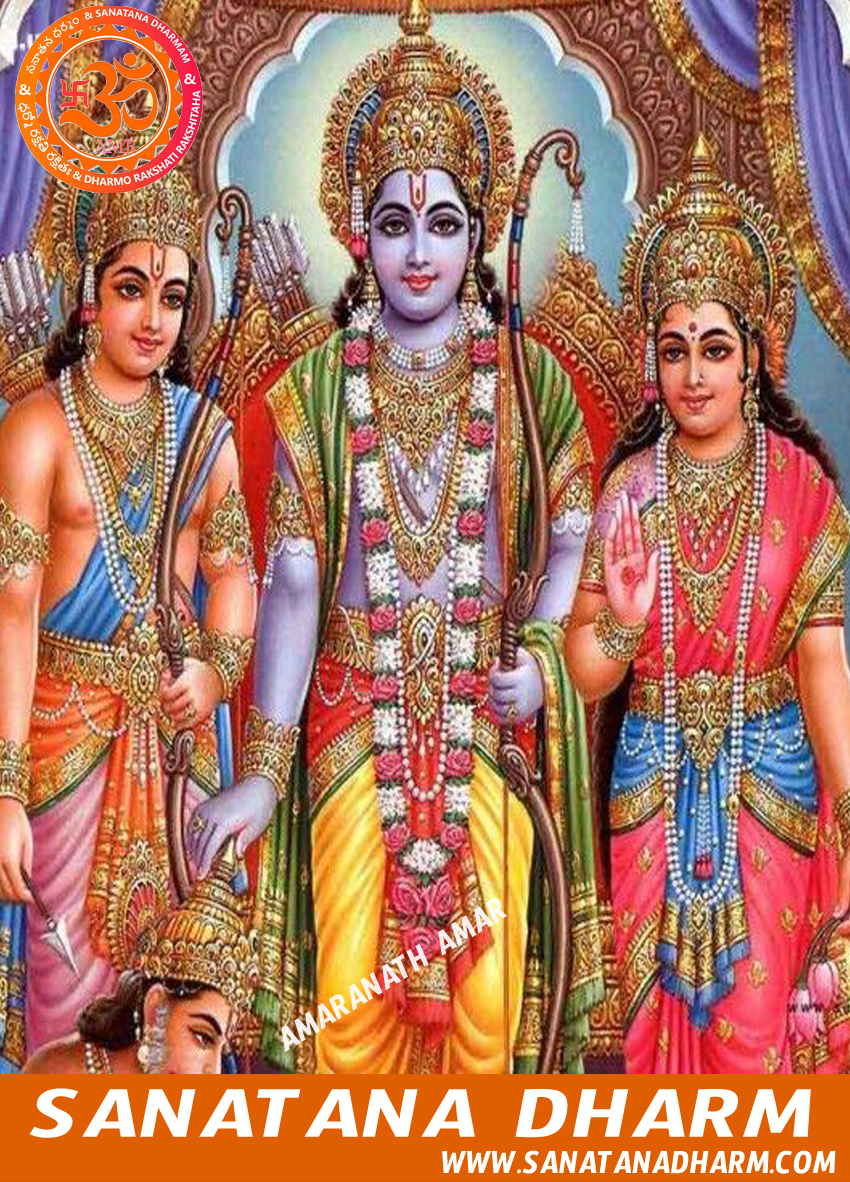
"How can Rama, born in the race of monarchs, highly honoured by the entire world, beloved of all the people, having a dark complexion as that of a blue-lotus, having red eyes, lovely to look at who is entittled for comfort and who is not worthy of suffering, sleep on the gound, abandoning excellent kingdom and comfort?"
यहाँ संस्कृत श्लोक का सरल हिंदी अनुवाद दिया गया है: सबके कुल में उत्पन्न, सबके सुख का कारण, और सबको प्रिय लगने वाले, अपने प्रिय और उत्तम राज्य को त्यागकर, कमल के समान श्याम वर्ण वाले, लाल आँखों वाले, सुंदर दिखने वाले, सुख के भागी और दुःख के योग्य, हे राघव, आप पृथ्वी पर सो रहे हैं।
Ayodhya Kanda – Sarga 88 · v14
धन्यः खलु महाभागो लक्ष्मणः शुभलक्षमणः |
भ्रातरम् विषमे काले यो राममनुवर्तते || २-८८-२०
"Lakshmana, having auspicious marks on his body and an exceedingly lucky man, who accompanied his elder brother Rama in times of adversity in indeed a fortunate man."
धन्य हैं वे महानुभाव लक्ष्मण, जिनके शुभ लक्षण हैं, जो विषम काल में भी अपने भाई राम का अनुसरण करते हैं।
Ayodhya Kanda – Sarga 88 · v15
सिद्ध अर्था खलु वैदेही पतिम् या अनुगता वनम् |
वयम् संशयिताः सर्वे हीनाः तेन महात्मना || २-८८-२१
"Seetha, who went together with her husband to the forest, is indeed an accomplished woman. All of us, deprived of the highly virtuous Rama, are an unsettled lot."
सीता जी धन्य हैं जिन्होंने अपने पति का अनुसरण करते हुए वन को स्वीकार किया। हम सब संशय में हैं क्योंकि हम उस महात्मा (राम) से विरहित हैं।
Ayodhya Kanda – Sarga 88 · v16
अकर्ण धारा पृथिवी शून्या इव प्रतिभाति मा |
गते दशरथे स्वर्गे रामे च अरण्यम् आश्रिते || २-८८-२२
"Dasaratha went to heaven. Rama is dwelling in the forest. this kingdom appears to me as a boat without ahelmsman."
जब दशरथ स्वर्ग चले गए और राम वन को चले गए, तब पृथ्वी बिना कर्णधार के शून्य सी प्रतीत होती है।
Ayodhya Kanda – Sarga 88 · v17
न च प्रार्थयते कश्चिन् मनसा अपि वसुंधराम् |
वने अपि वसतः तस्य बाहु वीर्य अभिरक्षिताम् || २-८८-२३
"Even if staying in the forest, Rama protects this earth with the power of his arms. Hence, nobdy can think even in his mind, to invade this kingdom."
वन में रहने वाले उस व्यक्ति को मन से भी पृथ्वी की इच्छा नहीं होती, क्योंकि उसकी भुजाओं का बल ही उसकी रक्षा करता है।
"Without guards to watch over its ramparts, with its unrestrained horses and elephants, with its city-gates laid open, without any defenders, denuded of its happy army, plunged in desolation in difficulties and exposed, that royal capital of Ayodhya will be shunned like poisoned food even by the enemies."
यहाँ संस्कृत श्लोक का सरल हिंदी अनुवाद दिया गया है: जिस राजधानी की रक्षा नहीं होती, जिसके द्वार खुले रहते हैं, जिसके घोड़े और हाथी अनियंत्रित होते हैं, और जहाँ के सैनिक प्रसन्न नहीं होते, वह दुर्बल और असुरक्षित हो जाती है। ऐसी राजधानी को शत्रु विष से मारे गए भक्ष्य की तरह आसानी से जीत लेते हैं।
Ayodhya Kanda – Sarga 88 · v19
अद्य प्रभृति भूमौ तु शयिष्ये अहम् तृणेषु वा |
फल मूल अशनो नित्यम् जटा चीराणि धारयन् || २-८८-२६
"From today onwards, I shall sleep on the earth or on the grass, with my locks matted, wearing robes of bark and by all means living on fruits and roots."
आज से मैं धरती पर या घास पर सोऊंगा। नित्य फल और मूल खाऊंगा और जटाएं व छाल धारण करूंगा।
"For the rest of his exile, on behalf of Rama, I shall dwell cheerfully in the forest, thereby discharging that promise so that the vows of Rama shall not have been made in vain."
उसका अर्थ जानकर मैं वन में सुखपूर्वक निवास करूँगा। यह प्रतिज्ञा करके मैं उसे विश्वास दिलाता हूँ कि यह असत्य नहीं होगा।
"Shatrughna will bear company with me, residing in the forest on behalf of Rama. My elder brother, Rama along with Lakshmana will protect Ayodhya."
भाई के कल्याण के लिए शत्रुघ्न मेरे साथ नहीं रहेंगे। मेरे बड़े भाई लक्ष्मण के साथ अयोध्या का शासन करेंगे।
Ayodhya Kanda – Sarga 88 · v22
अभिषेक्ष्यन्ति काकुत्स्थम् अयोध्यायाम् द्विजातयः |
अपि मे देवताः कुर्युर् इमम् सत्यम् मनो रथम् |
प्रसाद्यमानः शिरसा मया स्वयम् |
बहु प्रकारम् यदि न प्रपत्स्यते || २-८८-२९
"Rama will be enthroned in ayodhya, by Brahmanas the Twice-born! May the gods grant that my desire be made a reality."
अयोध्या में ब्राह्मण श्री राम का अभिषेक करेंगे। देवता भी मेरी इस इच्छा को पूर्ण करें। यदि वे स्वयं सिर झुकाकर प्रसन्न न हों, तो मैं उन्हें अनेक प्रकार से प्रसन्न करने का प्रयास करूँगा।
"Should Rama not accept the respectful appeals made in many a way by me, I shall follow the foot steps of Rama for any length of time he roams about in the forest thereafter. He ought not to refuse this grace to me."
वन में रहने वाले वानर ने कहा, "हे राम, मुझे बहुत समय से आपकी प्रतीक्षा थी। मुझे उपेक्षा न करें।"